

Ingredients decide the results for the effectiveness of the whitening cream that you are going to buy. Here you are going to learn what is best and how to check the ingredient. Achieving a brighter, even-toned complexion while managing oily skin can be challenging. Oily skin is prone to acne, enlarged pores, and excess shine, making it essential to choose the right skin whitening products that address these concerns without exacerbating oiliness. This comprehensive guide explores effective ingredients tailored for oily skin, including creams, serums, and moisturizers designed to brighten and balance your complexion.

Understanding Oily Skin and Its Challenges

Understanding oily skin starts with recognizing how it behaves differently from other skin types. Oily skin is characterized by an overproduction of sebum, the natural oil secreted by sebaceous glands to protect and hydrate the skin. While sebum is essential for maintaining a healthy skin barrier, too much of it can lead to a greasy appearance, clogged pores, blackheads, and frequent acne breakouts. Factors like genetics, hormonal fluctuations, diet, stress, and even the environment can trigger or worsen oily skin. Individuals with oily skin often notice persistent shine, particularly in the T-zone area—forehead, nose, and chin—making it crucial to select skincare products that manage oil production without stripping the skin.
Oily skin results from overactive sebaceous glands producing excess sebum. This can lead to:
- Clogged pores: Increasing the risk of acne and blackheads.
- Shiny complexion: Particularly in the T-zone (forehead, nose, and chin).
- Difficulty in product absorption: Making it hard for skincare products to penetrate effectively.
When selecting skin whitening products for oily skin, it’s crucial to opt for formulations that are:
- Non-comedogenic: Won’t clog pores.
- Oil-free or lightweight: To prevent adding extra oil to the skin.
- Mattifying: Helps control shine throughout the day.
Skin whitening for oily skin may seem challenge but it is possible if correct ingredients are applied and correct procedures are followed. Oily face and skin care solutions do exits better is to identify the reasons and take the necessary measures to fix the issue. There is proper detailed guide on this if you want to follow for your oily face skin issue.
Key Ingredients in Whitening Creams for Oily Skin
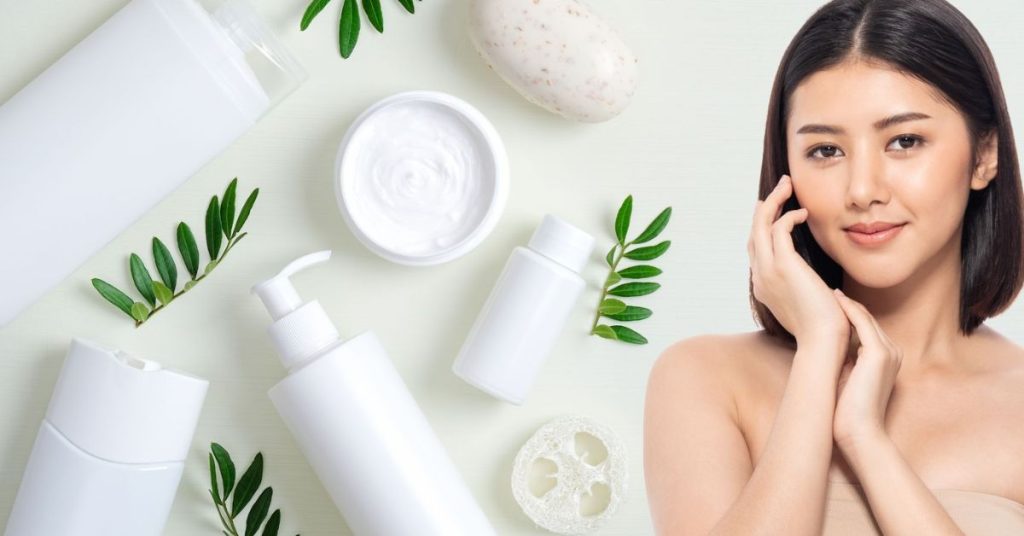
When choosing a whitening cream for oily skin, it is important to focus on ingredients that can brighten the complexion without adding extra oil or clogging pores. Ingredients like niacinamide are highly recommended because they help regulate sebum production while simultaneously reducing dark spots and evening out skin tone. Vitamin C is another powerful ingredient that works to brighten the skin by inhibiting melanin production, protecting against environmental damage, and improving overall radiance. Licorice root extract, known for its soothing and melanin-inhibiting properties, is also a popular choice for oily skin, providing a natural approach to reducing pigmentation and redness.
Other effective ingredients include kojic acid, which helps lighten existing dark spots by interfering with the melanin production process, and alpha arbutin, a gentle skin-brightening agent suitable even for sensitive skin types. Salicylic acid is particularly beneficial for oily skin as it exfoliates dead skin cells and keeps pores clear, helping prevent breakouts while supporting a clearer, more even complexion. A good whitening cream for oily skin should combine these brightening agents with lightweight, non-comedogenic bases to ensure that the skin remains balanced, hydrated, and visibly brighter over time.
1. Niacinamide (Vitamin B3)
Niacinamide is a versatile ingredient known for its ability to:
- Regulate sebum production: Reducing oiliness.
- Improve skin barrier function: Enhancing overall skin health.
- Reduce hyperpigmentation: Fading dark spots and evening out skin tone.
2. Vitamin C (Ascorbic Acid)
Vitamin C is a potent antioxidant that:
- Brightens the skin: Inhibiting melanin production.
- Protects against environmental damage: Neutralizing free radicals.
- Stimulates collagen synthesis: Improving skin texture and firmness.
3. Salicylic Acid
Salicylic acid is a beta-hydroxy acid (BHA) that:
- Exfoliates the skin: Removing dead skin cells.
- Unclogs pores: Preventing acne breakouts.
- Reduces inflammation: Calming irritated skin.
4. Licorice Root Extract
Licorice root extract contains glabridin, which:
- Inhibits tyrosinase activity: Reducing melanin production.
- Soothes the skin: Alleviating redness and irritation.
- Provides antioxidant benefits: Protecting against oxidative stress.
5. Kojic Acid
Kojic acid is a natural compound that:
- Lightens hyperpigmentation: Inhibiting melanin synthesis.
- Treats melasma and age spots: Improving skin tone.
- Offers antimicrobial properties: Beneficial for acne-prone skin.
6. Alpha Arbutin
Alpha arbutin is a gentle skin-brightening agent that:
- Reduces dark spots: Inhibiting tyrosinase activity.
- Evens out skin tone: Promoting a radiant complexion.
- Is suitable for sensitive skin: Minimizing irritation.
Application Tips for Oily Skin
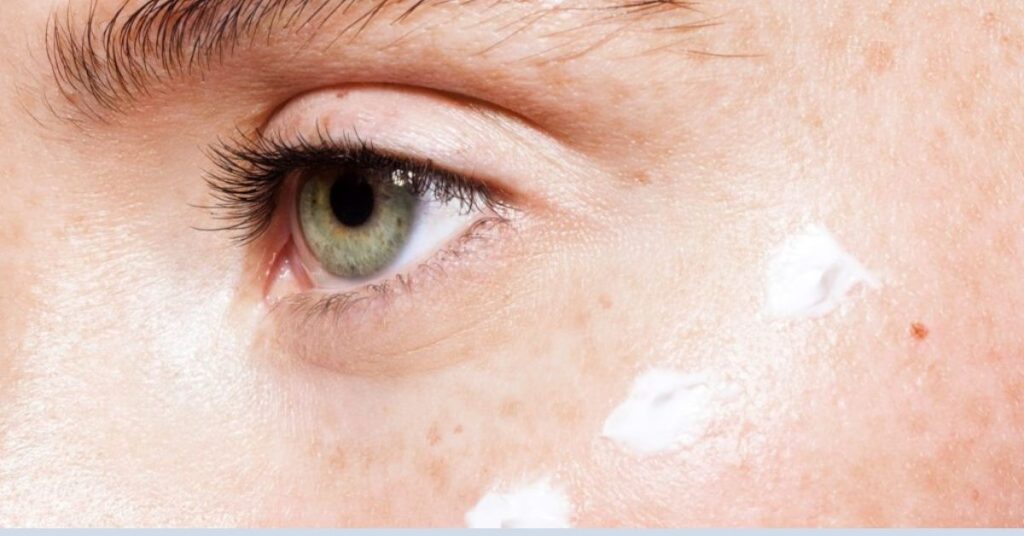
Understanding oily skin starts with recognizing how it behaves differently from other skin types. Oily skin is characterized by an overproduction of sebum, the natural oil secreted by sebaceous glands to protect and hydrate the skin. While sebum is essential for maintaining a healthy skin barrier, too much of it can lead to a greasy appearance, clogged pores, blackheads, and frequent acne breakouts. Factors like genetics, hormonal fluctuations, diet, stress, and even the environment can trigger or worsen oily skin. Individuals with oily skin often notice persistent shine, particularly in the T-zone area—forehead, nose, and chin—making it crucial to select skincare products that manage oil production without stripping the skin.
To maximize the benefits of skin whitening products:
- Cleanse: Use a gentle, oil-free cleanser to remove excess oil and impurities.
- Tone: Apply a toner with salicylic acid to unclog pores.
- Serum: Use a brightening serum with niacinamide or vitamin C.
- Moisturize: Choose a lightweight, non-comedogenic moisturizer.
- Sun Protection: Apply a broad-spectrum SPF 30+ sunscreen daily to prevent further pigmentation.
A well-structured skincare routine is essential for anyone aiming to brighten oily skin without triggering excess oil production. It all starts with a proper cleanse—using a gentle, oil-free cleanser removes surface impurities, excess sebum, and buildup that can clog pores and lead to breakouts.
Following cleansing, toning with a product containing salicylic acid further purifies the skin by exfoliating inside the pores, reducing congestion, and preparing the skin to absorb brightening ingredients more effectively. The next crucial step is applying a brightening cream formulated with powerhouse ingredients like niacinamide or vitamin C, both of which work to fade hyperpigmentation, even out the skin tone, and provide antioxidant defense against environmental stressors.
FAQs
Q: Can men use skin whitening creams designed for oily skin?
A: Yes, many products are unisex or have formulations specifically for men, addressing concerns like oil control and skin brightening.
Q: How long does it take to see results from skin whitening products?
A: Typically, noticeable changes can be seen in 4-6 weeks with consistent use, but this may vary based on individual skin types and product formulations.
Q: Are there any side effects of using skin whitening products?
A: Some ingredients may cause irritation or dryness. It’s essential to patch-test new products and consult with a dermatologist if you experience adverse reactions.
Conclusion
Managing oily skin while seeking a brighter complexion requires selecting the right products that balance oil control with effective skin whitening ingredients. By incorporating serums, moisturizers, and creams formulated for oily skin, you can achieve a radiant, even-toned complexion without exacerbating oiliness. Remember to maintain a consistent skincare routine and protect your skin from sun exposure to enhance and preserve your results.
Managing oily skin while seeking a brighter complexion requires a strategic approach to product selection. It’s important to choose formulations that not only target hyperpigmentation but also actively regulate sebum production to prevent clogged pores and breakouts. Ingredients like niacinamide, vitamin C, salicylic acid, and alpha arbutin are particularly beneficial because they address both concerns simultaneously — promoting a more even skin tone while keeping excess oil in check. Opting for lightweight, oil-free serums, non-comedogenic moisturizers, and mattifying sunscreens ensures that your skin receives the necessary nutrients and brightening agents without feeling heavy or greasy. A carefully curated skincare routine tailored to oily skin types can make a noticeable difference over time, revealing a complexion that is not only clearer but also more vibrant.
Consistency is key when it comes to achieving and maintaining results. Daily habits, such as cleansing twice a day with a gentle foaming cleanser, applying targeted brightening treatments, moisturizing appropriately, and using broad-spectrum sunscreen, form the foundation of healthy, luminous skin. Sun protection, in particular, is critical because UV exposure can darken existing pigmentation and trigger further melanin production, counteracting your brightening efforts. By sticking to a dedicated routine and choosing scientifically backed products suited for oily skin, you can gradually fade dark spots, smooth out uneven patches, and achieve a radiant, balanced glow that lasts.