
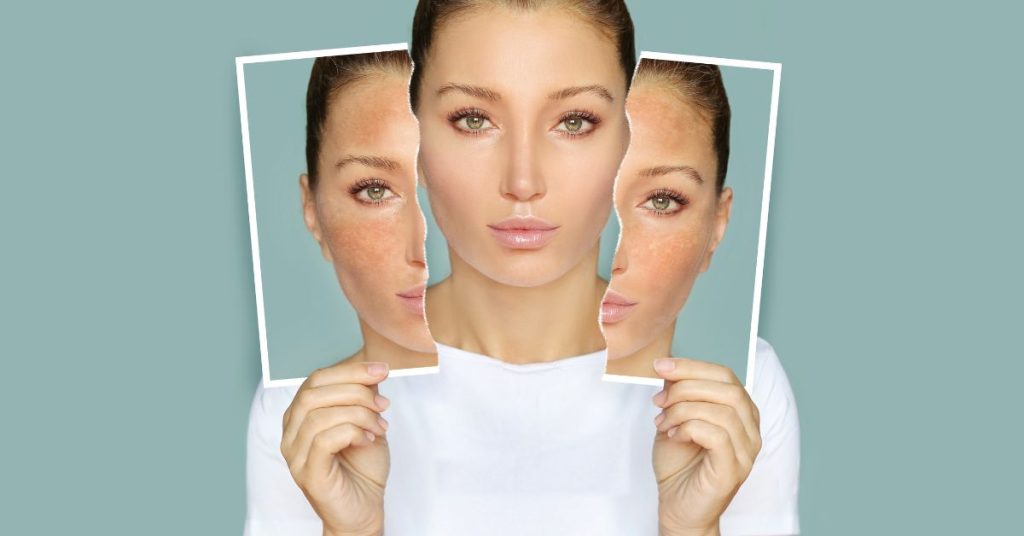
I have details about all the common myths that one may tell you about your oily skin. Your jaw will drop after learning the reality in th following sections. Oily skin brings extra shine, larger pores, and a higher risk of breakouts. When chasing a lighter, more even tone, it’s tempting to believe that advanced creams or treatments can deliver permanent whitening. In truth, the skin’s renewal cycle, UV exposure, and individual hormones mean no whitening method is truly permanent—maintenance is non-negotiable. This guide will:
- Expose five pervasive myths about permanent whitening on oily skin
- Explain the underlying science of depigmentation
- Offer evidence-based routines and product recommendations

Do Skin Whitening Myths Exist

Skin whitening is one of the most heavily mythologized areas in skincare, especially when it comes to oily complexions. From promises of overnight fairness to claims that natural remedies can permanently erase pigmentation, a vast array of misconceptions circulates online and in marketing copy. These myths often stem from a superficial understanding of skin biology—misrepresenting how melanocytes work, how products penetrate sebum-rich skin, or how UV exposure affects tone. As a result, countless skincare enthusiasts chase quick fixes that can backfire, leading to irritation, clogged pores, or even rebound hyperpigmentation. Recognizing that “permanent” lightening is physiologically impossible without ongoing maintenance is the first step in separating fact from fiction.
Believing in unverified whitening shortcuts not only sets unrealistic expectations but also exposes oily, acne-prone skin to potential damage. Misguided reliance on harsh DIY treatments—lemon juice masks, undiluted acids, or unstandardized botanical extracts—can disrupt the skin’s barrier, trigger inflammation, and ultimately darken spots further. That’s why an evidence-based approach, rooted in clinically tested actives and proper support routines (like sunscreen and barrier repair), is essential. By debunking these pervasive skin whitening myths, you can build a safe, sustainable regimen that respects your skin’s natural renewal cycle and delivers genuine, lasting brightness.
Myth #1 – Whitening Results Are Permanent

No whitening treatment yields permanent results. Skin renews itself every 28–42 days, and factors like UV exposure and hormones will gradually reverse lightening. Maintenance with sunscreen and periodic touch-ups is essential for lasting brightness.
Whitening results are permanent” is a promise that sounds too good to be true—because it is. True, advanced actives like hydroquinone and kojic acid can dramatically reduce excess melanin and fade stubborn dark spots, but without ongoing maintenance, any brightness gains on oily skin will inevitably reverse.
The epidermis renews itself every 28–42 days, and natural factors—UV exposure, hormonal fluctuations, and sebum overproduction—reactivate melanocytes and deepen pigmentation over time. For a sustainable glow, pair your targeted lightening cream with regular BHA exfoliation, oil-free hydration, and a non-comedogenic SPF 30+ to lock in results. To see how these principles apply in real-world routines, check out the in-depth guide on Skin Whitening Cream for Oily Skin: True Solution, where science-backed recommendations meet user-friendly formulas.
How Skin-Toning Products Actually Work
Most whitening creams rely on actives—hydroquinone, kojic acid, vitamin C—that inhibit melanin production or accelerate exfoliation. These ingredients do not destroy melanocytes permanently; they only suppress enzyme activity (tyrosinase) or speed up the shedding of pigmented cells. When application stops, melanocytes resume melanin synthesis and visible tone gradually returns.
- Tyrosinase Inhibition vs. Cell Destruction: Hydroquinone, kojic acid, and vitamin C target the tyrosinase enzyme—critical for melanin synthesis—rather than killing melanocytes outright, making their effects reversible once treatment ceases.
- Rate of Exfoliation: By accelerating keratinocyte turnover, these actives help shed the outer pigmented layer faster, revealing brighter skin underneath—but this process slows down when you stop using them.
- Concentration Matters: Lower percentages can still suppress melanin but require longer consistent use, while higher concentrations speed results at the cost of potential irritation, especially on oily, reactive skin.
- Maintenance Is Key: To sustain lightening, you must continue applying at least once or twice weekly “pulse” treatments even after you achieve your target tone, or the melanocytes will ramp back up melanin production.
- Complementary Ingredients: Pairing with antioxidants (e.g., niacinamide) and barrier-support lipids (ceramides) helps mitigate irritation from exfoliation and ensures a stable environment for enzyme inhibitors to work effectively.
- Sun Protection Synergy: Since UV exposure reactivates tyrosinase, combining these actives with a broad-spectrum, oil-free SPF 30+ not only preserves results but also prevents rebound hyperpigmentation.
- Patch-Test Essential: Because suppression of tyrosinase can trigger sensitivity, especially on oily skin prone to acne, always patch-test any new whitening formula for 48 hours before full-face application.
The Skin-Renewal Cycle and Why Lightening Fades
Our epidermis fully regenerates roughly every 28 days (young skin) to 42 days (mature skin). Even after successful depigmentation of surface keratinocytes, deeper basal melanocytes eventually repopulate new layers. Regular touch-ups are required to maintain brightness.
Thought for a second
The skin’s multi-layered structure means that lightening treatments only affect the outermost layer, the stratum corneum, where dead keratinocytes accumulate pigment. As your body continually sloughs off these cells and replaces them with new ones—every 28 days in youthful skin, and up to 42 days as you age—the fresh cells rising from the basal layer carry the original melanin content unless the melanocytes themselves are kept in check. Since most topical actives don’t eliminate melanocytes but merely dial down their pigment-producing enzyme, tyrosinase, once you stop applying the cream, those basal melanocytes reignite melanin synthesis. Over time, this leads to gradual darkening of the new cell cohort.
That’s why, to uphold an even, luminous complexion, periodic “refresh” applications—whether weekly maintenance doses or monthly pulse treatments—are essential to suppress renewed pigment production and extend your whitening results.
Science-Backed Insights on Temporary vs. Lasting Effects
- Melanocyte Reactivation: UV rays, inflammation, and hormones (e.g., estrogen) can trigger tyrosinase activity anew.
- Cell Turnover vs. Cell Destruction: Topicals speed turnover but don’t eliminate pigment-producing cells.
- Maintenance Protocol: Monthly “pulse” treatments and daily SPF prevent rebound hyperpigmentation.
Myth #2 – Oily Skin Doesn’t Benefit from Whitening Treatments

Oily skin can—and does—benefit from whitening protocols. Properly formulated non-comedogenic formulas allow actives to penetrate sebum-rich skin without clogging pores. Key is balancing oil control and depigmentation through lightweight vehicles and layered routines.
Sebum’s Role in Product Absorption
Excess sebum can form a hydrophobic barrier, reducing penetration of water-soluble actives. Oil-absorbing carriers (silica, dimethicone) help disperse oil and improve delivery of whitening ingredients.
When your skin ramps up sebum production, that layer of oil can act like a waterproof shield, repelling water-based serums and gels before they even reach the deeper epidermal layers where depigmentation is needed. By incorporating mattifying, oil-absorbing carriers such as silica microspheres or a light silicone like dimethicone, formulations can bind excess surface oil and break up that hydrophobic seal. Silica’s porous structure soaks up free sebum, creating micro-channels through which water-soluble actives can diffuse, while dimethicone forms a breathable, non-greasy film that evens out skin texture and holds the serum close to the skin. Together, these carriers transform a slick, oil-laden surface into a more uniform, absorbent canvas—ensuring that tyrosinase inhibitors and exfoliating molecules penetrate effectively, even on the oiliest of complexions.
Formulating for Excess Oil Non-Comedogenic Activites
- Gel & Water-Based Serums: Dry down quickly without greasy residue.
- Microencapsulation: Time-release actives that minimize irritation and allow deeper absorption.
- Oil-Control Additives: Niacinamide, zinc PCA, and salicylic acid regulate sebum and complement depigmentation.
Gel and water-based serums are a game-changer for oily, hyperpigmented skin because they deliver high-performance whitening actives in a weightless, fast-absorbing vehicle. Unlike oil-heavy creams that can sit on the surface and clog pores, these gel formulations evaporate quickly, leaving no greasy film behind, so you get all the benefits of potent ingredients—like vitamin C or niacinamide—without adding extra shine.
Their hydrophilic nature means they blend seamlessly into your routine, layering effortlessly under moisturizers and sunscreens, and ensuring that tyrosinase inhibitors and exfoliating acids penetrate deeply rather than remaining trapped in surface oils. For oily skin types, this not only maximizes efficacy but also maintains a matte finish throughout the day, keeping breakouts and rebound hyperpigmentation at bay.
Dermatologist-Recommended Protocols for Oil Control
- Double-Cleanse: Oil-soluble cleanse → gentle foaming wash.
- BHA Exfoliation: Salicylic acid 2–3× weekly to clear pores and increase serum uptake.
- Layering Order: Whitening serum → oil-free moisturizer → broad-spectrum SPF.
An effective oily-skin whitening regimen hinges on a simple, three-step routine. First, double-cleanse using an oil-soluble cleanser to dissolve excess sebum, makeup, and sunscreen, then follow with a gentle foaming wash to sweep away any residue without stripping your skin’s barrier. Next, incorporate BHA exfoliation—apply a salicylic acid serum 2–3 times per week to deeply unclog pores, smooth texture, and boost penetration of your lightening actives. Finally, adhere to the proper layering order: pat on your whitening serum first, lock in its benefits with an oil-free moisturizer, and seal everything in with a broad-spectrum SPF to protect results and prevent rebound pigmentation.
Myth #3 – Natural Ingredients Guarantee Safe Whitening

“Natural” doesn’t always mean safe or effective. Botanical extracts like licorice or papaya can inhibit pigmentation, but impurities and variable concentrations pose risks. Laboratory-tested actives with stability data offer more predictable outcomes.
While botanical extracts like licorice root and papaya enzyme boast natural appeal, their efficacy hinges on rigorous standardization—something many “clean” brands overlook. Seasonal variations, harvesting methods, and extraction processes can lead to wildly inconsistent levels of the active compounds (glabridin in licorice, papain in papaya), meaning one batch might lighten pigmentation, while the next does little more than irritate sensitive, oily-prone skin. Worse, impurities such as pesticides or pollen residues can trigger inflammation and post-inflammatory hyperpigmentation.
By contrast, laboratory-tested actives undergo stability and photostability testing, ensuring you know exactly how much tyrosinase-inhibiting power you’re getting in each tube. This predictability not only maximizes safety—minimizing surprises for blemish-prone skin—but also ensures long-term shelf life and consistent results, making clinically validated ingredients the smarter choice for durable, irritation-free brightening.
Popular Botanical Extracts and Their Efficacy
Botanical extracts such as licorice root, papaya enzyme, and bearberry have surged in popularity for their natural tyrosinase-inhibiting properties, but their true potency depends on proper formulation. Licorice root extract (standardized to glabridin) can block melanin synthesis, yet concentrations under 0.5% often yield underwhelming results, and over-harvesting can introduce impurities. Papaya-derived papain offers gentle enzymatic exfoliation, helping to slough off pigmented cells, but without pH-optimized buffers it may irritate oily, acne-prone skin rather than brighten it. Meanwhile, bearberry extract contains arbutin, a mild hydroquinone precursor that effectively lightens dark spots in 2–4 months when stabilized against UV degradation. When these extracts are standardized and paired with stabilizers—like chelating agents or UV filters—they can complement clinical actives, delivering a balanced, botanically-enhanced approach to fading hyperpigmentation on oily skin.
- Licorice Root (Glabridin): Blocks tyrosinase but may cause contact dermatitis.
- Papaya (Papain): Enzymatic exfoliant; overuse can strip barrier and worsen oiliness.
- Bearberry (Arbutin): Gentle tyrosinase inhibitor, yet unstable under UV without stabilizers.
Hidden Irritants & Allergens in All-Natural Formulations
Essential oils, plant proteins, and pollen residues—often in “clean” products—can trigger acne and inflammation, leading to post-inflammatory hyperpigmentation (PIH).
Thought for a few seconds
- Pesticide Residues & Microbial Contaminants: Even “organic” plant extracts can carry pesticide traces, heavy metals, or microbial byproducts that irritate and inflame sensitive, oily skin.
- Unstandardized Essential Oils: Natural fragrances like lavender, bergamot, or tea tree oil are potent allergens and photosensitizers, often causing redness, itching, or contact dermatitis.
- Proteolytic Enzymes & Plant Proteins: Botanical enzymes (papain from papaya, bromelain from pineapple) and soy or wheat proteins can break down skin barriers unevenly, triggering inflammation and breakouts.
- Cross-Reactive Botanicals: Allergy sufferers to one plant family (e.g., ragweed) may react to related extracts such as chamomile, echinacea, or calendula, leading to unexpected rashes.
- Hidden Carrier Oils & Botanical Blends: “Clean” formulas sometimes slip in heavy carrier oils (coconut, cocoa butter) or complex herb blends that clog pores, exacerbate oiliness, and provoke acne.
Balancing Potency, Stability, and Tolerance
Striking the right balance between potency, stability, and tolerance is key to a safe, effective whitening regimen—especially on oily, reactive skin. Formulators achieve this by selecting actives at concentrations proven in clinical trials (potency) and then encapsulating or buffering them so they resist breakdown under light and air (stability). They fine-tune the pH and vehicle—using lightweight gels or serums—to ensure the formula penetrates without stripping the barrier, which helps minimize irritation (tolerance). For example, microencapsulated vitamin C delivers a high dose deep into the skin while reducing surface acidity that can provoke oil-triggered acne.
Always opt for products with documented stability data, begin with lower-strength versions to assess your skin’s response, and perform a patch test before integrating a new lightening serum into your routine. This three-pronged approach ensures you get consistent brightening power without unwanted redness or breakouts.
- Stability Testing: Opt for products with proven shelf-life and photostability.
- Patch Testing: Always trial on a small area for 48 hours.
- Hybrid Formulas: Combine mild botanicals (e.g., arbutin) with clinical concentrations of proven actives.
Myth #4 – You Don’t Need Sunscreen with Whitening Creams

Sunscreen is non-negotiable. UV rays reverse depigmentation by activating melanocytes and deepening existing spots. Even with daily whitening, an oil-free SPF 30+ applied every two hours is critical for preserving and prolonging lightening effects.
UV Exposure’s Impact on Melanin & Hyperpigmentation
Ultraviolet radiation upregulates tyrosinase and triggers melanocyte proliferation. Without sun protection, any reduction in melanin via topicals is rapidly negated.
Thought for a second
- Tyrosinase Activation: UVB and UVA rays stimulate tyrosinase enzyme production in melanocytes, accelerating melanin synthesis and deepening existing pigmentation.
- Melanocyte Proliferation: Chronic sun exposure increases melanocyte density in the basal layer, intensifying both diffuse and spot pigmentation.
- Rebound Hyperpigmentation: Any lightening achieved with topicals can be reversed within days if unprotected skin is exposed to sunlight, leading to darker-than-before patches.
- DNA Damage & Inflammation: UV-induced oxidative stress causes micro-inflammation, which further upregulates melanogenesis as a protective response.
- Critical Role of Broad-Spectrum SPF: Only a daily, oil-free, broad-spectrum sunscreen (SPF 30+) applied and reapplied correctly can block UVA/UVB rays and preserve the benefits of whitening treatments.
Why SPF Is Non-Negotiable in Any Lightening Regimen
In any lightening regimen—especially on oily, hyperpigmented skin—broad-spectrum SPF is non-negotiable. Sunscreen not only shields against UVB rays that trigger melanin overproduction but also blocks UVA wavelengths that penetrate deep into the dermis, where they stimulate tyrosinase and accelerate hyperpigmentation. Without consistent SPF 30+ protection, even the most potent whitening creams will see their results erased within days, as UV exposure reignites pigment synthesis and encourages post-inflammatory darkening.
Opt for a lightweight, oil-free formula labeled “non-comedogenic” and reapply every two hours (or after sweating) to lock in your skin’s brightness, extend the efficacy of your exfoliants and serums, and prevent rebound spots.
- Broad-Spectrum SPF 30+: Shields both UVA (aging) and UVB (burning) rays.
- Reapplication: Every two hours—or sooner if sweating or swimming.
- Mineral Filters: Zinc oxide and titanium dioxide often suit oily skin best.
Choosing Oil-Free, High-Protection Sunscreens
- Look for: “Non-comedogenic,” “matte finish,” “for oily skin.”
- Texture: Gel-based or fluid formulas that absorb cleanly.
- Tinted Options: Help ensure uniform coverage and double as light coverage makeup.
Myth #5 – Over-the-Counter Creams Work as Well as Prescription Actives

OTC whitening products contain lower concentrations of actives (<2% hydroquinone, <1% retinoids). Prescription formulas—like 4% hydroquinone or tretinoin—offer faster, deeper results under medical supervision. Consult a dermatologist when OTC options plateau.
Comparing OTC Agents vs. Prescription-Strength Actives
| Agent | OTC Concentration | Rx Concentration | Relative Efficacy |
|---|---|---|---|
| Hydroquinone | 1–2% | 4–6% | Rx achieves 2× faster pigment fade |
| Retinoids (retinol) | 0.1–1% | 0.025–0.1% tretinoin | Rx penetrates to basal layers |
| Azelaic Acid | 10–20% | 20–30% | Higher Rx doses accelerate renewal |
Concentration, Regulation, and Safety Profiles
Higher concentrations deliver faster results but carry increased irritation risk. Prescription products are regulated and monitored; OTC items cap at safer strengths to minimize adverse events.
While higher concentrations of depigmenting actives—like 4% hydroquinone or prescription-strength retinoids—can deliver noticeably faster fading of dark spots, they also heighten the risk of irritation, redness, and barrier disruption, especially on oily, sensitive skin. Prescription formulas undergo strict clinical testing and regulatory oversight to balance potency with safety, ensuring that dermatologists can monitor for adverse events and adjust treatment as needed. In contrast, over-the-counter whitening creams are limited to lower, “safer” strengths (typically 1–2% hydroquinone or sub-1% retinol), which reduce the likelihood of inflammation but may require longer application periods to achieve the same level of brightness. When choosing between Rx and OTC options, weigh the urgency of your results against your skin’s tolerance, and consider professional guidance if you experience persistent irritation or plateaued lightening.
Indicators for Professional Consultation
If your whitening progress plateaus after 8–12 weeks despite faithful application, it may signal that your skin has reached its tolerance threshold with OTC actives—and stubborn post-inflammatory hyperpigmentation (PIH) can further resist at-home treatments. At this stage, consulting a dermatologist is crucial: they can prescribe higher-strength agents (like 4% hydroquinone or prescription retinoids) and design combination interventions—such as controlled chemical peels, microneedling, or fractional laser therapies—that safely penetrate deeper skin layers. By tailoring treatment intensity to your oily, PIH-prone complexion, a professional ensures you overcome plateaued results without provoking rebound breakouts or irritation, delivering a balanced, long-term brightening strategy.
- Whitening stalls after 8–12 weeks
- Persistent post-inflammatory hyperpigmentation
- Desire for combination interventions (peels, lasers)
Evidence Based Whitening Strategies for Oily Skin

An effective oily-skin whitening routine combines BHA exfoliation, stabilized vitamin C, oil-free hydration, and daily SPF. Add niacinamide for sebum control and barrier support to enhance tone-evening results.
Chemical Exfoliants to Control Sebum & Fade Dark Spots
Chemical exfoliants like salicylic acid (BHA) and glycolic acid (AHA) are powerhouse ingredients for oily, hyperpigmented skin, offering both sebum control and targeted dark-spot fading. Salicylic acid penetrates deep into pores to dissolve excess oil and clear out debris, preventing new breakouts while creating a clear path for brightening actives.
Glycolic acid works on the surface to loosen and shed pigmented keratinocytes, speeding up cell turnover and revealing a more even-toned complexion. For best results, use a 1–2% BHA serum 2–3 times per week and alternate with a 5–10% AHA treatment once weekly—this staggered approach balances effective exfoliation without compromising your skin barrier. By reducing oiliness and amplifying the penetration of your whitening serums, chemical exfoliants ensure both immediate clarity and gradual, lasting fade of stubborn dark spots.
- Salicylic Acid (BHA): Lipophilic exfoliant clears pores and fades spots.
- Glycolic Acid (AHA): Surface renewal; limit to 2× weekly to prevent over-stripping.
Hydration & Barrier Support for Balanced Complexions
Ceramides, hyaluronic acid, and light glycerin serums maintain barrier integrity, preventing rebound oiliness and new PIH.
Thought for a second
Proper hydration and barrier support are often overlooked in oily-skin whitening routines, yet they’re crucial for preventing rebound oiliness and new hyperpigmentation. Lightweight humectants like hyaluronic acid draw moisture into the epidermis without adding grease, while ceramides and cholesterol reinforce the skin’s lipid barrier to lock in that hydration. A strong barrier minimizes transepidermal water loss, curbs overproduction of sebum triggered by dehydration, and reduces inflammation that can lead to post-inflammatory dark spots. By pairing your depigmenting serums with a non-comedogenic, barrier-repair moisturizer—ideally featuring soothing ingredients like panthenol or aloe—you create a stable environment where tyrosinase inhibitors and exfoliants work efficiently, yielding a clear, balanced complexion without compromising your skin’s health.
Multi-Step Routines That Deliver Lasting Clarity
- PM: Oil-cleanse → BHA exfoliant → Whitening serum → Barrier-support cream
- AM: Gentle cleanse → Vitamin C serum → Oil-free moisturizer → Broad-spectrum SPF 30+
- PM Routine:
- Oil-Cleanse: Use an oil-based cleanser to dissolve excess sebum, makeup, and sunscreen without stripping your barrier.
- BHA Exfoliant: Apply a salicylic acid serum 2–3 times weekly to unclog pores, reduce oiliness, and boost penetration of your whitening actives.
- Whitening Serum: Pat on a tyrosinase-inhibiting serum (e.g., vitamin C or kojic acid) to suppress melanin synthesis overnight.
- Barrier-Support Cream: Lock in hydration with a non-comedogenic moisturizer rich in ceramides or panthenol to soothe and repair.
- AM Routine:
- Gentle Cleanse: Use a mild, foaming cleanser to remove nighttime oil buildup without over-drying.
- Vitamin C Serum: Apply a stable, oil-free vitamin C formulation to brighten, protect against free radicals, and enhance SPF performance.
- Oil-Free Moisturizer: Choose a lightweight, matte-finish lotion to hydrate and balance sebum production.
- Broad-Spectrum SPF 30+: Finish with a non-comedogenic, oil-free sunscreen—reapplying every two hours—to protect results and prevent rebound hyperpigmentation.
FAQs on Permanent Skin Whitening for Oily Skin
Permanent whitening is impossible, but consistent maintenance—sunscreen, exfoliation, spot-treatment serums—can deliver long-lasting clarity. Monitor tolerance and reintroduce touch-ups at signs of darkening.
Can lemon juice safely lighten oily skin?
Lemon’s acidity can disrupt the skin barrier, causing irritation and rebound pigmentation. Not recommended.
How often should I apply whitening cream?
Typically 1–2 times daily. Introduce gradually to gauge tolerance, then maintain consistent routine.
Will whitening products clog my pores?
Select “non-comedogenic,” oil-free formulations; avoid heavy oils or occlusive butters.
Conclusion & Expert Recommendations
No whitening method offers permanence. Bust myths by understanding skin renewal, embracing sunscreen, choosing stable actives, and seeking pro guidance when needed.
Key Takeaways
- Permanent whitening doesn’t exist—regular maintenance is essential.
- Oily skin benefits greatly from targeted, non-comedogenic lightening formulas.
- “Natural” ≠ always safe—prioritize lab-tested actives.
Actionable Daily Routine
- AM: Gentle cleanse → Vitamin C → Oil-free moisturizer → SPF 30+
- PM: BHA exfoliant (2–3×/week) → Whitening serum → Barrier-support cream