

Imagine stepping out into the golden UAE sun and catching your reflection—only to notice stubborn dark spots that just won’t budge. You’re not alone: many UAE residents grapple with uneven pigmentation under this intense, year-round sunlight. Hydroquinone, a powerhouse ingredient hailed for its skin-brightening prowess, promises dramatic results—but only when used correctly. From understanding concentration limits approved by UAE health authorities to mastering the ideal application frequency and sun-protection pairing, this guide will walk you through everything you need to know about how to safely use hydroquinone for skin brightening in UAE, so you can reveal a more radiant, even-toned complexion without compromising your skin’s health.
It is highly recommended to consult your dermatologist for any decision you are looking for skin brightening.

Understanding Hydroquinone and Its Role in Skin Brightening

Hydroquinone is a topical agent that reduces skin pigmentation by inhibiting melanin production. It’s commonly used to treat conditions like melasma, post-inflammatory hyperpigmentation, and sun-induced dark spots, which are prevalent in the UAE due to intense sun exposure. Its effectiveness makes it a go-to solution for dermatologists and skincare enthusiasts, but its use requires caution to avoid adverse effects.
In the UAE, where diverse skin tones and high UV exposure are common, hydroquinone’s ability to even out complexion is highly valued. However, its potency means it’s regulated, often requiring a prescription for concentrations above 2%. This section delves into how hydroquinone works, its benefits, and why it’s popular in the UAE’s skincare market.
How Hydroquinone Works
Hydroquinone functions by targeting melanocytes, the cells responsible for producing melanin, the pigment that gives skin its color. It inhibits tyrosinase, an enzyme crucial for melanin synthesis, reducing the formation of dark spots. It also degrades existing melanin, helping fade hyperpigmentation over time.
Studies show hydroquinone is most effective at 2–4% concentrations, with results visible after 4–12 weeks of consistent use. In the UAE, where sun exposure can exacerbate pigmentation, combining hydroquinone with sunscreen is essential to prevent melanin production from rebounding.
Summary: Hydroquinone lightens skin by inhibiting melanin production, targeting dark spots effectively. Results take 4–12 weeks with consistent use and sun protection.
Benefits of Hydroquinone for UAE Residents
Hydroquinone addresses multiple skin concerns prevalent in the UAE, including melasma, often triggered by hormonal changes or sun exposure, and post-inflammatory hyperpigmentation from acne or injuries. Its ability to deliver visible results makes it a staple in dermatological treatments across Dubai and Abu Dhabi clinics.
For UAE residents with diverse skin types, hydroquinone offers a targeted approach to achieving an even complexion. When used correctly, it can significantly reduce the appearance of dark spots, enhancing confidence and aligning with the region’s focus on aesthetic skincare.
Summary: Hydroquinone effectively treats melasma and hyperpigmentation, offering UAE residents clearer, even-toned skin when used properly.
Why Hydroquinone Is Regulated in the UAE
In the UAE, hydroquinone is primarily available through prescription due to potential side effects like irritation or exogenous ochronosis, a rare condition causing blue-black pigmentation. The Ministry of Health and Prevention (MOHAP) regulates its use to ensure safe application under medical supervision.
Over-the-counter products with 2% hydroquinone are available but less common, as higher concentrations (4% and above) require a dermatologist’s oversight. This regulation protects consumers from misuse, especially in a region where self-treatment is common.
Summary: Hydroquinone is regulated in the UAE to prevent side effects, requiring prescriptions for higher concentrations to ensure safe use.
How to Use Hydroquinone Safely in the UAE
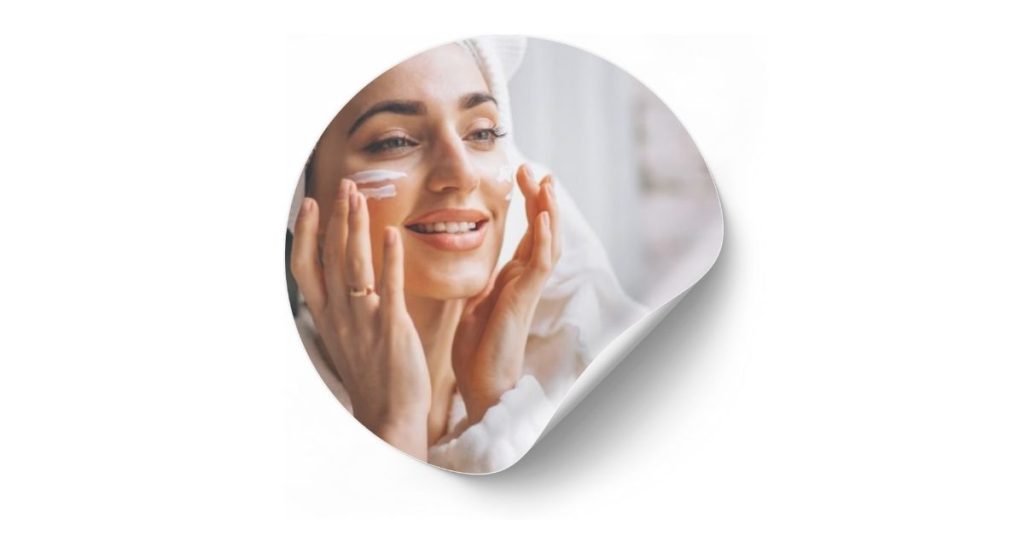
Using hydroquinone safely in the UAE involves following dermatologist-recommended protocols, considering the region’s climate and skin type diversity. Proper application, sun protection, and adherence to usage limits are critical to achieving results without complications. This section outlines a step-by-step guide tailored for UAE residents.
Step-by-Step Guide to Applying Hydroquinone
Correct application maximizes hydroquinone’s benefits while minimizing risks. Here’s how to use it effectively:
- Patch Test: Apply a small amount to a discreet area like the forearm. Wait 24 hours to check for irritation or allergic reactions.
- Cleanse Skin: Wash the affected area with a gentle cleanser and pat dry before applying hydroquinone.
- Apply Thinly: Use a pea-sized amount, rubbing it gently into the targeted area. Avoid healthy skin to prevent uneven lightening.
- Frequency: Apply once daily initially, increasing to twice daily if no irritation occurs after a week, as advised by a dermatologist.
- Moisturize: Follow with a hydrating moisturizer to combat dryness, a common side effect.
- Sunscreen: Apply broad-spectrum SPF 30+ daily, reapplying every 2–3 hours if outdoors, to protect treated skin from UV damage.
UAE’s intense sunlight necessitates rigorous sun protection to prevent hydroquinone from becoming ineffective or worsening pigmentation.
Summary: Apply hydroquinone thinly after cleansing, start once daily, and always use SPF 30+ to protect treated skin.
Duration and Frequency of Use
Hydroquinone should be used for 3–6 months, as prolonged use increases the risk of side effects like ochronosis. Dermatologists recommend a break of 2–3 months after this period before resuming treatment if needed. In the UAE, where year-round sun exposure is a factor, adhering to this timeline is crucial.
For maintenance, apply hydroquinone 2–3 times weekly after achieving desired results. Always consult a dermatologist to tailor the duration to your skin’s response and condition.
Summary: Use hydroquinone for 3–6 months, take breaks, and maintain with weekly applications under dermatologist guidance.
Combining Hydroquinone with Other Skincare Products
Hydroquinone is often paired with other ingredients to enhance efficacy and reduce irritation. Common combinations include:
- Retinoids: Increase cell turnover, aiding pigment reduction.
- Corticosteroids: Reduce inflammation and irritation from hydroquinone.
- Antioxidants: Vitamin C or niacinamide can boost brightening effects and protect against UV damage.
Avoid using hydroquinone with benzoyl peroxide, as it can cause staining or reduce efficacy. In the UAE, where skincare routines are elaborate, consult a dermatologist to create a compatible regimen.
Summary: Pair hydroquinone with retinoids or antioxidants, avoid benzoyl peroxide, and consult a dermatologist for a tailored routine.
Precautions for Using Hydroquinone in the UAE

Hydroquinone’s potency requires strict precautions, especially in the UAE’s harsh climate. Sun exposure, skin type, and potential side effects must be considered to ensure safe use. This section covers key precautions for UAE residents.
Sun Protection Is Non-Negotiable
The UAE’s high UV index makes sunscreen critical when using hydroquinone. Sun exposure can reverse lightening effects and increase pigmentation. Use a broad-spectrum SPF 30+ or higher, and wear protective clothing like hats or scarves, especially during peak hours (10 AM–4 PM).
Reapply sunscreen every 2–3 hours when outdoors, and consider mineral-based sunscreens with zinc oxide for sensitive skin. This is vital for UAE residents to maintain hydroquinone’s efficacy.
Summary: Use SPF 30+ daily, reapply frequently, and wear protective clothing to shield hydroquinone-treated skin from UAE’s sun.
Understanding Skin Type Considerations
Hydroquinone works best on fair to medium skin tones but can pose risks for darker skin types, common in the UAE’s diverse population. Darker skin is more prone to exogenous ochronosis, especially with prolonged use or high concentrations.
Consult a dermatologist to assess your skin type (Fitzpatrick scale) before starting hydroquinone. They may recommend lower concentrations or alternative treatments like kojic acid for darker skin tones.
Summary: Darker skin types should use hydroquinone cautiously, consulting dermatologists to avoid ochronosis risks.
Monitoring for Side Effects
Common side effects include redness, dryness, and mild stinging, which often subside. Serious side effects like exogenous ochronosis or severe irritation require immediate discontinuation and medical consultation. In the UAE, where access to dermatologists is widespread, seek prompt advice if symptoms persist.
Regular check-ins with a dermatologist ensure safe use, especially for long-term treatment. Report any blue-black discoloration or persistent irritation immediately.
Summary: Monitor for redness or ochronosis, stop use if severe, and consult a UAE dermatologist promptly.
Alternatives to Hydroquinone for Skin Brightening

For those hesitant to use hydroquinone or with sensitive skin, several alternatives offer effective skin brightening. These options are popular in the UAE, where natural and gentler skincare solutions are gaining traction. This section explores hydroquinone alternatives and their benefits.
Natural Skin Brightening Agents
Natural ingredients can lighten pigmentation with fewer risks. Popular options include:
- Kojic Acid: Inhibits tyrosinase, reducing melanin production. Found in UAE skincare products for gentle brightening.
- Niacinamide: Reduces melanin transfer, improving skin tone. Widely available in Dubai pharmacies.
- Vitamin C: An antioxidant that brightens skin and protects against UV damage, ideal for UAE’s climate.
- Azelaic Acid: Treats hyperpigmentation and acne, suitable for sensitive skin types.
These ingredients are often found in over-the-counter products in the UAE, offering safer alternatives for long-term use. You can dive deep into these options for skin brightening as well. As there are multiple options for the skin brightening in UAE.
Summary: Kojic acid, niacinamide, and vitamin C are gentle, effective alternatives for skin brightening in the UAE.
Professional Treatments in the UAE
For those seeking faster results, UAE clinics offer advanced treatments like:
- Chemical Peels: Use acids like glycolic or lactic acid to exfoliate and reduce pigmentation.
- Laser Therapy: Targets melanin in deeper skin layers, popular in Dubai and Abu Dhabi clinics.
- Microneedling: Stimulates collagen and reduces dark spots, often combined with brightening serums.
Consult a licensed dermatologist at clinics like CosmeSurge or Kaya Skin Clinic for personalized treatment plans.
Summary: Chemical peels, laser therapy, and microneedling offer effective hydroquinone alternatives at UAE clinics.
Over-the-Counter Products in the UAE
UAE pharmacies and online retailers like Amazon.ae stock hydroquinone-free brightening products. Look for brands like The Ordinary (niacinamide serums) or La Roche-Posay (vitamin C serums). Always check ingredient lists for allergens and consult a pharmacist for recommendations.
These products are accessible across Dubai, Sharjah, and Abu Dhabi, catering to UAE residents seeking safe skincare options.
Summary: UAE pharmacies offer hydroquinone-free brightening products like niacinamide and vitamin C serums.
UAE Specific Considerations for Hydroquinone Use
The UAE’s unique climate, regulations, and cultural preferences shape how hydroquinone is used. This section addresses local factors to ensure safe and effective application for residents.
The UAE’s hot, sunny climate accelerates melanin production, making sun protection critical. Hydroquinone users must avoid direct sun exposure and use high SPF sunscreens year-round. Indoor cooling can dry skin, so pair hydroquinone with hydrating moisturizers to prevent irritation.
During Ramadan or summer months, adjust application times to avoid peak sun hours, ensuring consistent results without compromising skin health.
Summary: UAE’s sunny climate demands rigorous sun protection and hydration when using hydroquinone.
Accessing Hydroquinone in the UAE
In the UAE, hydroquinone above 2% requires a prescription, available through dermatologists at clinics like American Hospital Dubai or online platforms like City Skin Clinic. Over-the-counter 2% products are sold at pharmacies like BinSina or online at Amazon.ae. Always verify product authenticity to avoid counterfeit items containing harmful substances like mercury.
Consult a dermatologist to obtain a prescription and ensure safe sourcing of hydroquinone products.
Summary: Obtain hydroquinone via prescription from UAE dermatologists or trusted pharmacies for safe use.
Cultural and Aesthetic Preferences
In the UAE, clear, even-toned skin is a cultural ideal, driving demand for skin-lightening treatments. Hydroquinone’s targeted approach aligns with this preference, but education on safe use is vital to avoid misuse. Dermatologists in the UAE emphasize combining hydroquinone with holistic skincare for sustainable results.
Engage with local skincare communities on platforms like X to share experiences and learn from experts.
Summary: Hydroquinone aligns with UAE’s aesthetic preferences, but safe use education is crucial.
FAQs
Is Hydroquinone Safe for All Skin Types in the UAE?
Hydroquinone is safe for most skin types when used under dermatologist supervision. Darker skin tones, common in the UAE, are at higher risk of ochronosis, so lower concentrations and shorter durations are recommended.
How Long Does Hydroquinone Take to Work?
Results typically appear within 4–12 weeks of consistent use. Combining with sunscreen and retinoids can enhance outcomes, especially in the UAE’s sunny climate.
Can I Use Hydroquinone During Pregnancy?
Hydroquinone is not recommended during pregnancy or breastfeeding due to limited safety data. Consult a UAE dermatologist for alternative treatments like azelaic acid.
Where Can I Buy Hydroquinone in the UAE?
Prescription hydroquinone is available at clinics or pharmacies like BinSina. Over-the-counter 2% products can be found at Amazon.ae or local retailers, but verify authenticity.
What Are the Alternatives to Hydroquinone in the UAE?
Kojic acid, niacinamide, and vitamin C are effective alternatives, available at UAE pharmacies. Professional treatments like laser therapy are offered at clinics like CosmeSurge.