

Creating homemade skin whitening soap is a rewarding way to craft personalized skincare with natural ingredients. This guide offers step-by-step recipes, safety tips, and expert insights to help you make effective, safe whitening soap at home—whether you’re a beginner or an experienced soap-maker.

What Is Skin Whitening Soap and How Does It Work?
Skin whitening soap lightens skin tone by reducing melanin production or exfoliating dead skin cells. Ingredients like kojic acid, licorice extract, or vitamin C are commonly used for their brightening properties.
These soaps work by gently exfoliating or inhibiting tyrosinase, an enzyme responsible for melanin production. For example, kojic acid soap is popular for fading hyperpigmentation, while natural whitening soap often includes turmeric or lemon extract. Always consult a dermatologist before use, as some ingredients may irritate sensitive skin. Homemade versions let you control ingredient quality, ensuring a gentle, tailored product.
Why Make Your Own Whitening Soap at Home?

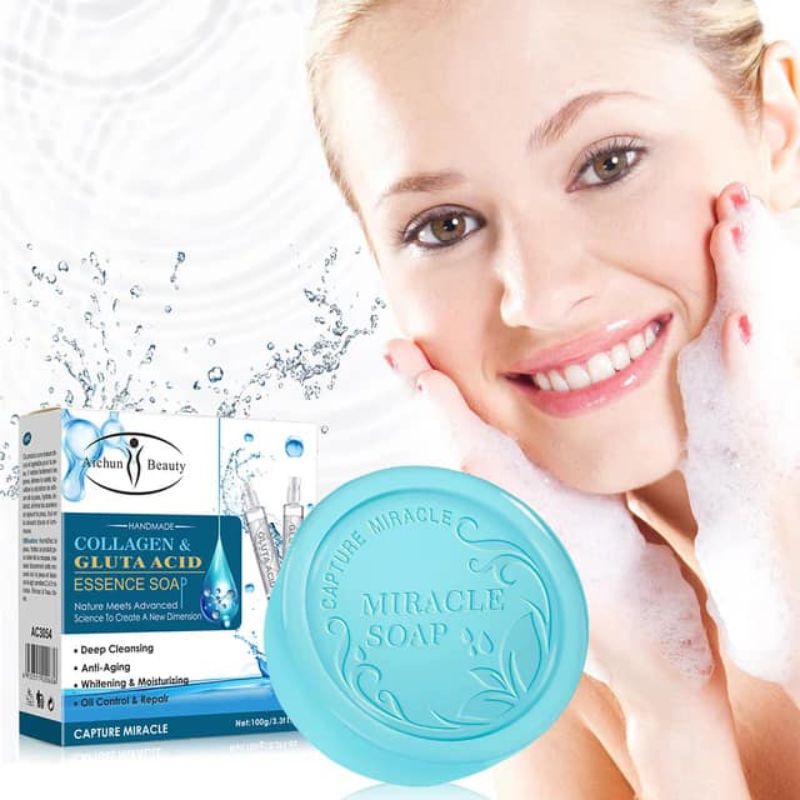
Making homemade whitening soap allows customization and cost savings. You can avoid harsh chemicals found in commercial products and choose skin-friendly ingredients.
Store-bought soaps may contain synthetic additives that irritate skin. By crafting your own, you select natural oils, like coconut oil or shea butter, and whitening agents suited to your skin type. Plus, it’s a fun, creative process! For instance, Sarah, a DIY enthusiast, started making kojic acid soap at home and noticed brighter skin within weeks, all while saving money.
What Ingredients Are Essential for Skin Whitening Soap?

The right ingredients are key to effective skin brightening soap. Here’s a breakdown of essentials for homemade soap for skin whitening.
- Base Oils: Coconut oil (moisturizing, lathering), olive oil (gentle, nourishing), and shea butter (hydrating).
- Lye (Sodium Hydroxide): Essential for saponification in cold process soap; handle with care.
- Whitening Agents: Kojic acid (fades dark spots), licorice extract (evens tone), vitamin C (brightens), or turmeric (natural glow).
- Distilled Water: Used to dissolve lye; avoid tap water to prevent impurities.
- Essential Oils: Lavender or tea tree oil for fragrance and soothing properties.
Table: Common Whitening Ingredients and Their Benefits
| Ingredient | Benefit | Skin Type Suitability |
|---|---|---|
| Kojic Acid | Fades hyperpigmentation | Normal, oily |
| Licorice Extract | Evens skin tone | Sensitive, dry |
| Vitamin C | Brightens complexion | All skin tfypes |
| Turmeric | Reduces dark spots, adds glow | Normal, combination |
Always source high-quality ingredients from reputable suppliers. For example, kojic acid should be pure, not diluted, to ensure efficacy.
What Equipment Do You Need for Soap-Making?
Soap-making requires specific tools to ensure safety and precision. Gather these items before starting your easy whitening soap recipe.
- Heat-resistant containers: For mixing lye and oils.
- Stick blender: Speeds up emulsification.
- Digital scale: For accurate measurements of lye and oils.
- Silicone molds: For shaping soaps.
- Safety gear: Gloves, goggles, and a mask to protect against lye.
Investing in quality equipment simplifies the process. For instance, Maria, a beginner soap-maker, found that using a stick blender cut her mixing time in half, making her first batch of homemade skin whitening soap a breeze.
How to Make Skin Whitening Soap Using the Cold Process Method?

The cold process soap-making method creates long-lasting, customizable whitening soap. Follow this detailed recipe for a professional result.
This method involves combining oils with a lye-water solution to trigger saponification. It requires patience, as the soap needs 4–6 weeks to cure, but yields high-quality bars. Here’s a recipe for kojic acid soap:
Ingredients
- 200g coconut oil
- 150g olive oil
- 100g shea butter
- 70g sodium hydroxide (lye)
- 160g distilled water
- 10g kojic acid powder
- 5mL lavender essential oil
Steps
- Prepare Safety Gear: Wear gloves, goggles, and a mask to handle lye safely.
- Mix Lye Solution: Slowly add lye to distilled water (never the reverse) in a well-ventilated area. Stir until dissolved, then cool to 100–110°F.
- Melt Oils: Gently heat coconut oil, olive oil, and shea butter until melted. Cool to 100–110°F.
- Add Kojic Acid: Dissolve kojic acid in a small amount of warm distilled water, then mix into the oils.
- Blend: Combine lye solution with oils. Use a stick blender until the mixture reaches a light trace (pudding-like consistency).
- Add Essential Oil: Stir in lavender essential oil for fragrance.
- Pour and Mold: Pour into silicone molds. Cover and insulate for 24–48 hours.
- Cure: Unmold after 48 hours and cure for 4–6 weeks in a dry, airy space.
This recipe yields about 6 bars of skin brightening soap. Test on a small skin patch before regular use.
How to Make Easy Whitening Soap at Home with Melt-and-Pour?
For beginners, the melt-and-pour soap method is a quick, safe way to make homemade whitening soap. It skips lye handling, making it ideal for easy whitening soap recipes.
Melt-and-pour bases are pre-made, so you just melt, customize, and pour. Here’s a simple recipe using a shea butter melt-and-pour base:
Ingredients
- 500g shea butter melt-and-pour soap base
- 5g licorice extract powder
- 5mL vitamin C serum
- 10mL lemon essential oil
Steps
- Melt the Base: Cut the soap base into small chunks. Melt in a microwave-safe container in 30-second bursts, stirring until smooth.
- Add Whitening Agents: Mix in licorice extract and vitamin C serum until fully incorporated.
- Add Fragrance: Stir in lemon essential oil for a refreshing scent.
- Pour into Molds: Pour the mixture into silicone molds. Let cool for 2–3 hours.
- Unmold and Use: Pop out the soaps once hardened. They’re ready to use immediately!
This method is perfect for quick results. For example, John, a first-time soap-maker, crafted licorice extract soap in under an hour and loved the glow it gave his skin.
How Can You Customize Homemade Soap for Skin Whitening?
Customizing homemade skin whitening soap lets you tailor it to your skin’s needs. Adjust ingredients or add-ins to enhance efficacy or fragrance.
Consider your skin type when choosing additives. For oily skin, add tea tree oil for its antibacterial properties. For dry skin, increase shea butter for hydration. You can also experiment with natural colorants like turmeric for a golden hue or activated charcoal for detoxifying effects. Always test new combinations on a small skin patch to avoid irritation.
What Safety Precautions Should You Take When Making Whitening Soap?
Safety is critical when making skin whitening soap at home, especially with lye or active whitening agents. Follow these precautions to protect yourself and ensure quality.
- Handle Lye Safely: Always add lye to water, not vice versa, to prevent dangerous reactions. Work in a well-ventilated area.
- Test for Sensitivity: Apply a small amount of soap to your inner arm to check for irritation before full use.
- Consult a Dermatologist: Whitening agents like kojic acid can irritate sensitive skin. Seek professional advice if unsure.
- Store Properly: Keep soaps in a cool, dry place to maintain potency and prevent rancidity.
Ignoring safety can lead to burns or skin reactions. For instance, Lisa learned the hard way when she skipped gloves while mixing lye, resulting in minor skin irritation. Always prioritize safety.
How Long Does It Take to See Results from Skin Whitening Soap?
Results from homemade whitening soap vary based on ingredients and skin type. Most users see brighter skin within 2–4 weeks of daily use.
Consistency is key. Kojic acid or licorice extract may fade dark spots faster, while natural ingredients like turmeric work gradually. Avoid overuse, as it can dry out skin. Pair with sunscreen to protect brightened skin from UV damage, which can reverse results.
How Does Homemade Whitening Soap Compare to Commercial Products?

Homemade skin whitening soap often outperforms commercial options in customization and ingredient control. However, commercial soaps may offer faster results due to stronger formulations.
Homemade soaps use natural ingredients, avoiding fillers like parabens. For example, a store-bought kojic acid soap might contain synthetic fragrances, while your homemade version uses pure lavender oil. However, commercial products undergo rigorous testing, so always ensure your homemade soap is safe and effective through patch testing.
Table: Homemade vs. Commercial Whitening Soap
| Feature | Homemade Soap | Commercial Soap |
|---|---|---|
| Ingredient Control | Full control over natural ingredients | May include synthetic additives |
| Cost | Cheaper long-term | Often more expensive |
| Customization | Highly customizable | Limited to brand formulations |
| Safety Testing | Requires personal patch testing | Pre-tested for safety |
Frequently Asked Questions About Homemade Skin Whitening Soap
What’s the Best Ingredient for Skin Whitening Soap?
Kojic acid is highly effective for fading dark spots, while licorice extract is gentler for sensitive skin. Choose based on your skin type and consult a dermatologist.
Can I Use Whitening Soap Daily?
Yes, but start with 2–3 times weekly to avoid irritation. Monitor your skin and reduce frequency if dryness occurs.
How Do I Store Homemade Soap?
Store in a cool, dry place, preferably wrapped in wax paper, to maintain potency and prevent melting.
Is Homemade Whitening Soap Safe for All Skin Types?
It depends on the ingredients. Test on a small area first, especially for sensitive skin, to avoid reactions.
Can I Add Color to My Soap?
Yes, natural colorants like turmeric or beetroot powder add vibrancy without synthetic dyes. Use sparingly to avoid staining.
Why You Should Start Making Your Own Whitening Soap Today
Crafting homemade skin whitening soap is a game-changer for skincare enthusiasts. It’s cost-effective, customizable, and lets you avoid harsh chemicals. Imagine the satisfaction of using a soap you made yourself, tailored to your skin’s needs, and seeing a brighter complexion in weeks! Whether you choose the cold process for a professional touch or the melt-and-pour method for simplicity, the process is rewarding. Stock up on quality ingredients like kojic acid or shea butter from trusted suppliers and start your soap-making journey. Your skin will thank you!
Important Note: This is informative article i am not responsible for any success or failure or any damage.
Pingback: Which Soap is Good For Skin Whitening in UAE Ultimate Guide - Skin Whitening Solution